
The short version
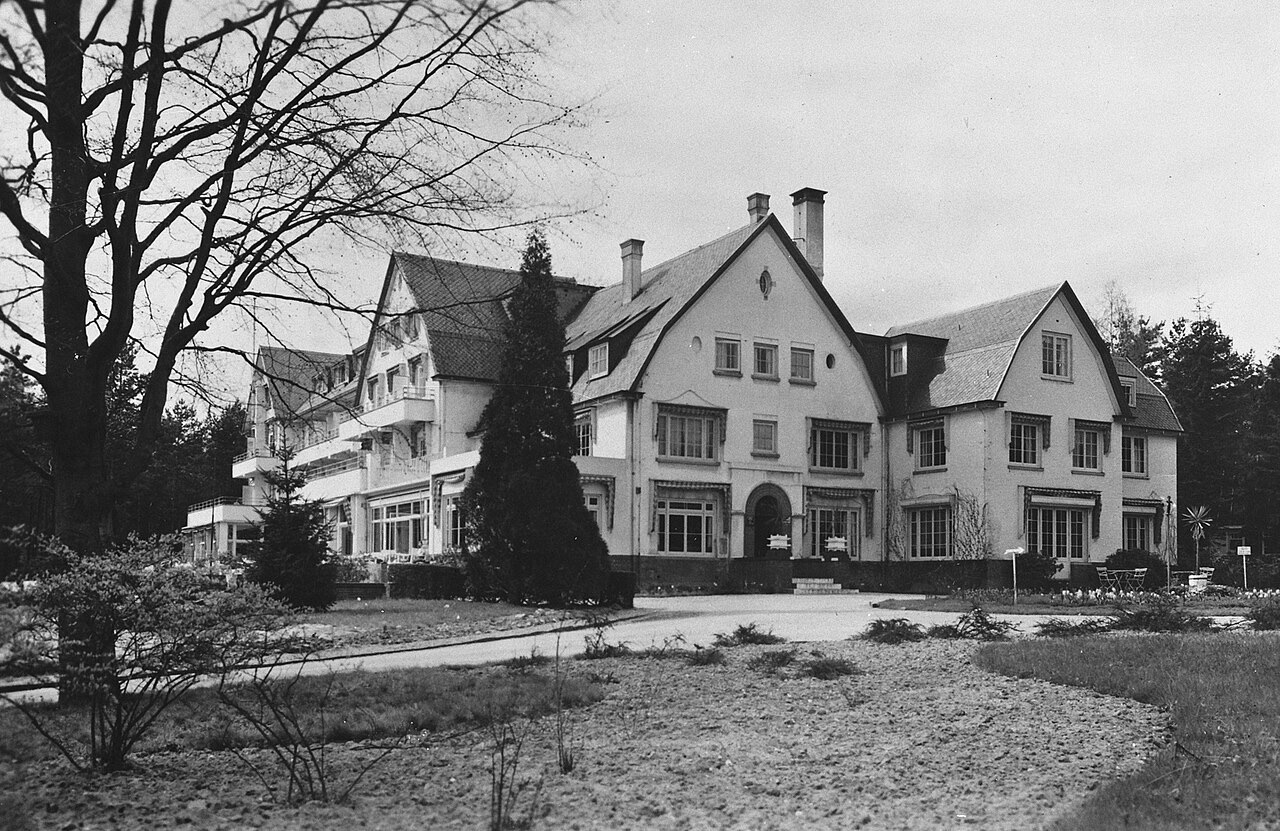
The Bilderberg Meeting is an annual private conference for political leaders and experts from industry, finance, academia and the media in Europe and North America. It takes its name from the Hotel De Bilderberg in Oosterbeek, the Netherlands, where the first meeting was held in May 1954. Participants are invited by a steering committee, the talks are held under the Chatham House Rule, and reporters are kept out. The organisers publish the list of participants and the main topics, but no minutes or conclusions. Critics, especially conspiracy theorists, claim that the group acts as a hidden world government that picks future leaders and sets global policy. The organisers say there is “no desired outcome” and that such claims “lack any and all merit”.
How it began
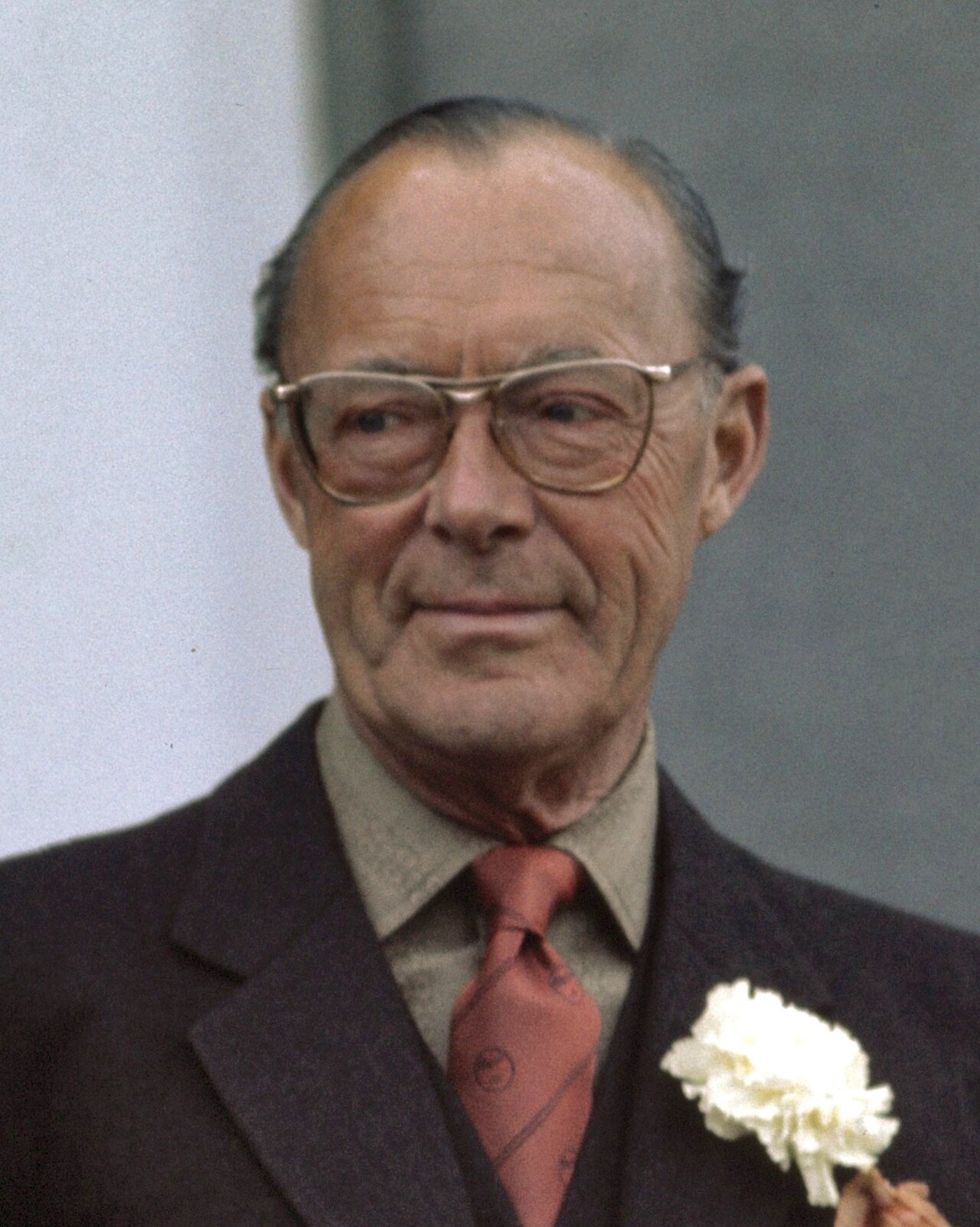
According to the official history, the first meeting came out of concern that “Western Europe and North America were not working together as closely as they should on issues of common interest” during the Cold War. It was initiated by the Polish political adviser Józef Retinger and Prince Bernhard of the Netherlands, who became its first chair. Top of the agenda in 1954, the Guardian reports, was “the attitude towards communism and the Soviet Union”. Bernhard resigned after the Lockheed bribery scandal in 1976, the only year before the Covid pandemic when the conference was cancelled.
How it works
Every year about 130 people are invited, roughly two thirds from Europe and the rest from North America. According to the official website, “there is no detailed agenda, no resolutions are proposed, no votes are taken, and no policy statements are issued”. Under the Chatham House Rule, participants may use what they hear but may not reveal who said it. There is no attendance fee, and the small secretariat is paid for by members of the steering committee. The meeting is “closed to reporting journalists”, the organisers say, “to encourage the highest level of openness and dialogue”. For several decades it held a press conference, but this was dropped in the 1990s “due to a lack of interest”.
Recent meetings have been held in Lisbon in 2023, Madrid in 2024 and Stockholm in 2025. The latest, the 72nd, took place in Washington, D.C., in April 2026, with topics including AI, Arctic security, China, Russia, Ukraine and “the West”. Finland’s president, Alexander Stubb, announced publicly that he would attend. According to the organisers’ website, the steering committee’s co-chairs are Henri de Castries and Marie-Josée Kravis.
The claims
TIME summed up what critics say about the group: “A shadowy world government. Political kingmakers.” The most common claims are:
- It picks leaders. Believers point out that Bill Clinton attended in 1991, as governor of Arkansas, the year before he was elected president, and that Tony Blair attended in 1993, before he became prime minister, according to press reports. The journalist Ian Birrell has written that Blair, asked in Parliament shortly after becoming prime minister, denied that he or his ministers had attended.
- It sets global policy in secret. With no minutes and no press, critics say no one can know what is agreed. “This is intended to reach some decisions and we are not being told what they are,” said the British Labour MP Michael Meacher in 2013.
- It is undemocratic. Even critics who reject the wilder theories object to the secrecy. Birrell called it “profoundly undemocratic to have a highly-secretive forum for politicians and a few self-selecting friends in business”.
The Anti-Defamation League has traced many of the claims that Bilderberg is a secret world government to far-right publications.
The arguments, point by point
Kingmakers
Those who believe it say: future presidents and prime ministers are invited and then rise to power.
The response: a member of the steering committee, speaking anonymously to the journalist Jon Ronson, said Clinton had been invited by Vernon Jordan and “went around glad-handing everyone. Nobody thought they were meeting the next president.”
A world government
Those who believe it say: the most powerful people in the West meet in secret every year, so they must be running things.
The response: the organisers say nothing is voted on or decided. Christina Garsten, a professor at the Swedish Collegium for Advanced Study, told Reuters in 2025 that the idea of a shadowy world government is “very much exaggerated”, though she said the impact of such groups is “hard to judge”. Denis Healey, a founder member, admitted to Ronson that saying they strove for a one-world government was “exaggerated, but not wholly unfair”, and Ronson wrote that his interviewees admitted that international affairs had “from time to time” been influenced by the sessions.
Secrecy
Those who believe it say: if it were harmless, there would be no need for closed doors and heavy security.
The response: “We aren’t secret,” Healey told Ronson. “We’re private.” The organisers say the rules allow frank discussion, and that security is needed because of incidents involving extremists.

What is still argued about
- How much influence informal talks between the powerful have on decisions taken elsewhere.
- Whether elected officials should take part in meetings whose discussions the public never hears about. In 2024 the Guardian reported that several members of the steering committee have senior roles in the defence industry.
No poll appears to have asked about the Bilderberg Group specifically. In a YouGov poll of Americans in November 2023, 41% said they believed that a single group of people secretly controls events and rules the world.
Sources
- Bilderberg Meetings, official website
- Bilderberg Meetings, “Brief history”
- Bilderberg Meetings, “Frequently Asked Questions”
- Bilderberg Meetings, press release for the 2026 meeting
- Bilderberg Meetings, press releases for 2023, 2024 and 2025: https://bilderbergmeetings.org/meetings/meeting-2023/press-release-2023, https://bilderbergmeetings.org/meetings/meeting-2024/press-release-2024, https://bilderbergmeetings.org/meetings/meeting-2025/press-release-2025
- Encyclopaedia Britannica, “Bilderberg Meetings”
- Utrecht University, Blueprints of Hope, “Józef Hieronim Retinger”
- The Guardian, Jon Ronson, “Who pulls the strings? (part 3)” (2001)
- The Guardian, “Bilderberg Group changes itself for the modern world – and return of Trump” (2024)
- TIME, “What to Know About the Bilderberg Group’s Secret Annual Meeting” (2016)
- Clinton Presidential Library, “Bilderberg Conferences” finding aid
- Ian Birrell, “Is a clandestine world government meeting in Watford?” (2013)
- The Irish Times, “Opponents have a field day at country meeting of the rich and powerful” (2013)
- Anti-Defamation League, “Debunking the Bilderberg Myth” (2007)
- RTÉ / Reuters, “Bilderberg group meets in Sweden amid US-Europe tensions” (2025)
- Office of the President of Finland, “President Stubb to visit Washington, D.C.” (2026)
- YouGov, “Which conspiracy theories do Americans believe?” (2023)