
The short version
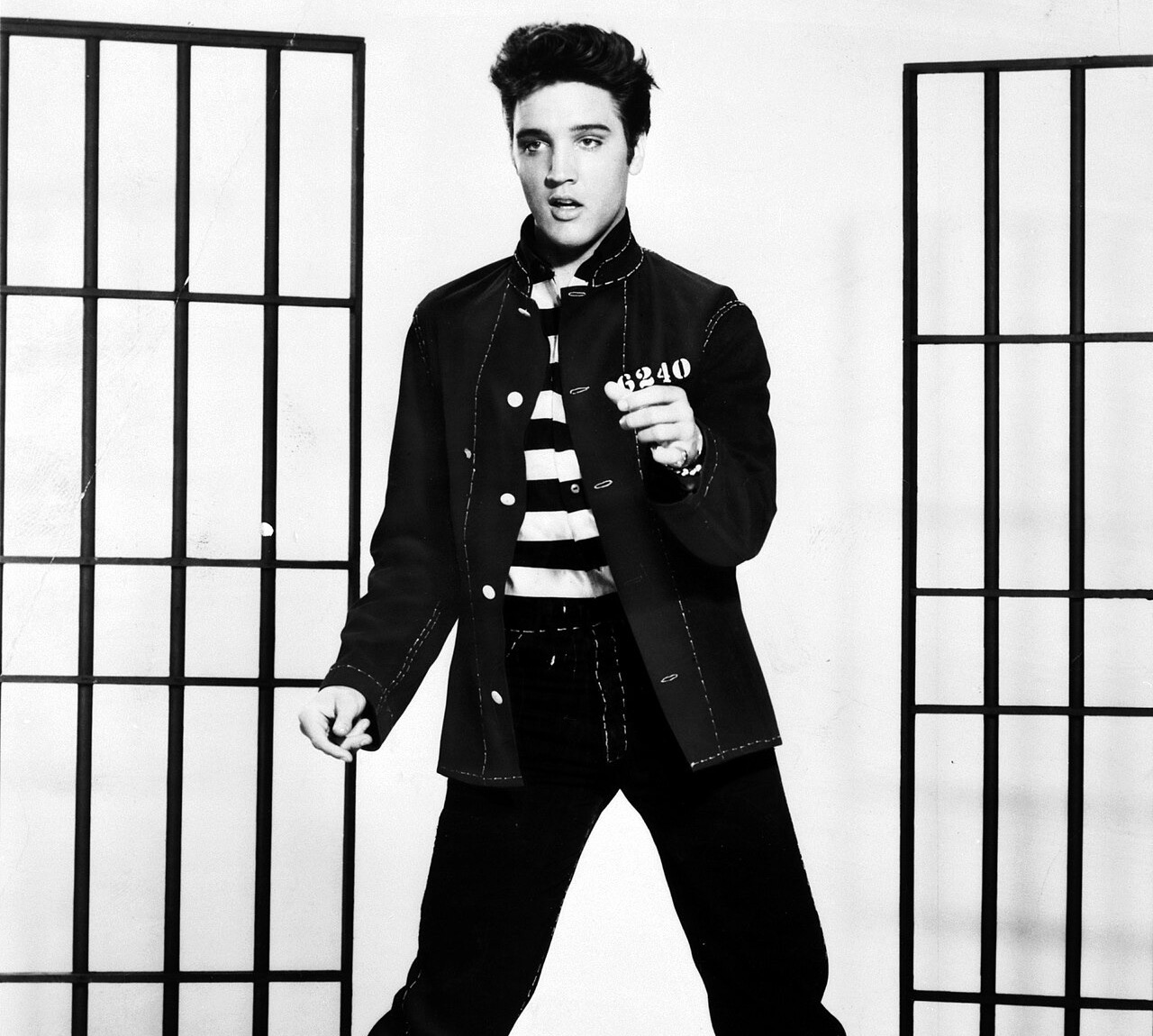
Elvis Presley was found unresponsive at his home, Graceland, on 16 August 1977 and pronounced dead at a Memphis hospital that afternoon. He was 42. Tens of thousands of people filed past his open coffin. Even so, a belief took hold that he had staged his death to escape fame, illness or danger, and was living quietly under another name.
What happened
By 1977 Presley was in poor health. He was overweight, exhausted from touring, and dependent on prescription medication. On the afternoon of 16 August his fiancée found him on the bathroom floor. Efforts to revive him failed.
The medical examiner announced that he had died of a heart problem. Later reporting revealed that tests had found a large number of prescription drugs in his body. His doctor was investigated for overprescribing and eventually lost his licence. The full autopsy report was commissioned privately by the family and has never been published. It is widely reported to be sealed until 2027, fifty years after his death, although some accounts say it is a private family document that may never be released.
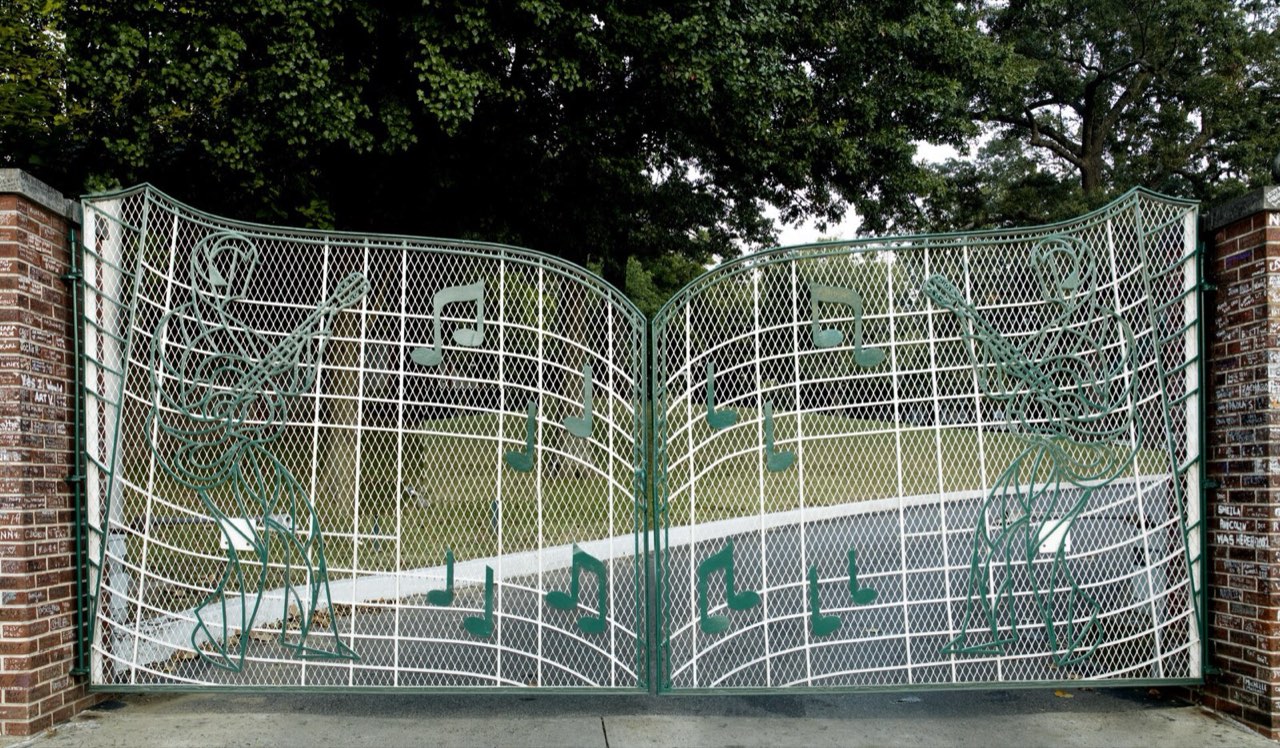
He was buried two days later, and his body was moved to the grounds of Graceland that autumn after an attempt to steal it.
How the theory grew
Rumours began almost at once, but the theory took off in 1988, when a tabloid reported that a woman in Michigan had seen Elvis in a supermarket near her home and again at a burger restaurant in the town of Kalamazoo. The same year, author Gail Brewer-Giorgio published a book titled Is Elvis Alive?, sold with a cassette of a voice said to be his, talking about events after 1977. Television specials followed. “Elvis sightings” became a running joke and, for some, a sincere belief.
Versions of the theory
He wanted out. Trapped by fame and his manager, he arranged his own disappearance to live as an ordinary man.
Witness protection. He had been helping the government against organised crime and had to vanish for his safety.
He was too ill to continue. He withdrew to recover in private and never came back.
He is still performing. Believers have pointed to a masked singer who recorded in the late 1970s, to an extra in the background of a 1990 Christmas film, and more recently to an elderly pastor in Arkansas.
The arguments, point by point
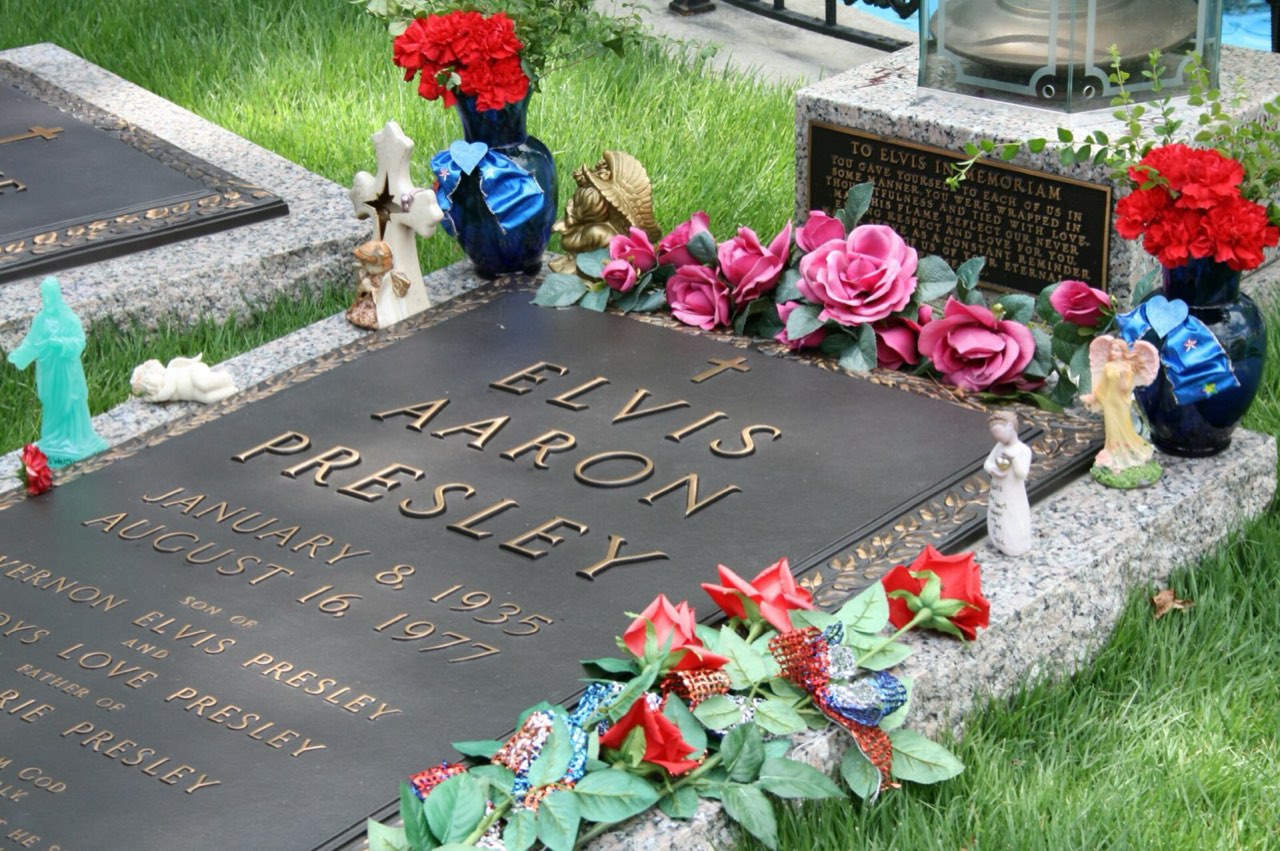
The name on the gravestone
Believers say: his middle name is spelled “Aaron” on the grave, but he was named “Aron”. The family would never make that mistake unless the grave was not really his.
The response: his birth certificate used the spelling “Aron”, but he had begun using the biblical spelling “Aaron” as an adult and had taken steps to make it official. His father chose that spelling for the stone.
The body in the coffin
Believers say: mourners said the body looked odd, with a different nose and sweating skin, like a wax figure. The coffin was said to be extraordinarily heavy, as if it held cooling equipment to stop wax melting.
The response: embalmed bodies often look unlike the living person. The coffin was a large, heavy copper model. Hospital staff, the medical examiner, the funeral director and family members all saw the body.
The government connection
Believers say: Elvis met President Nixon in 1970 and was given a federal narcotics badge. FBI files show he was the victim in a major fraud case, and he may have been an informant.
The response: the badge was an honorary gift that he had asked for. The FBI did investigate a group of fraudsters who cheated him in a deal over an aircraft. Nothing in the released files suggests he entered a protection programme.
The sightings
Believers say: thousands of people, some of whom knew him, have reported seeing him.
The response: Elvis is among the most imitated people who ever lived, with thousands of professional tribute artists. No photograph, fingerprint or DNA sample has ever supported a sighting.
The sealed autopsy
Believers say: the family is hiding something.
The response: a private autopsy belongs to the family, and keeping it confidential is common. The details that have emerged point to the embarrassment of drug dependence. They do not point to a living man.
The money
Sceptics say: his estate was in poor shape when he died, and it later became one of the most valuable in entertainment. A man who faked his death would have had to abandon his daughter, his father and his fortune, and stay silent while his father and later his only child died.
What the evidence shows
There is a death certificate, a medical examiner’s finding, hospital records, and an open-coffin viewing attended by family and tens of thousands of members of the public. Presley’s father, daughter and former wife all spoke over the years about his death and never suggested otherwise. He would now be over ninety.

What is still argued about
- The exact cause of death. Doctors have disagreed about the relative roles of heart disease, medication and other conditions.
- How much responsibility his doctor and those around him bore.
Why it endures
Researchers who study celebrity death hoaxes note that the theory expresses a wish. Presley died young, in an undignified way, after years of decline. A secret escape gives the story a kinder ending. Similar claims have since been made about other stars who died suddenly.
Sources
- Mental Floss, “Suspicious Minds: The Bizarre, 40-Year History of Elvis Presley Sightings”
- Newsweek, “On His 80th Birthday, Revisiting the Conspiracies That Have Kept Elvis Presley Alive”
- Peter Guralnick, Careless Love: The Unmaking of Elvis Presley (1999)
- Gail Brewer-Giorgio, Is Elvis Alive? (1988)
- FBI Records: The Vault, “Elvis Presley” files
- US National Archives, “When Nixon Met Elvis”
- Shelby County Medical Examiner statements and contemporary reporting, August 1977
- Encyclopaedia Britannica, “Elvis Presley”