

The short version
On 2 July 1937, Amelia Earhart and her navigator Fred Noonan took off from New Guinea on one of the last legs of a flight around the world. Their target was Howland Island, a strip of land two kilometres long in the middle of the Pacific. They never arrived. The largest sea search the US Navy had mounted up to that time found nothing. Three main explanations have competed ever since.
What is known
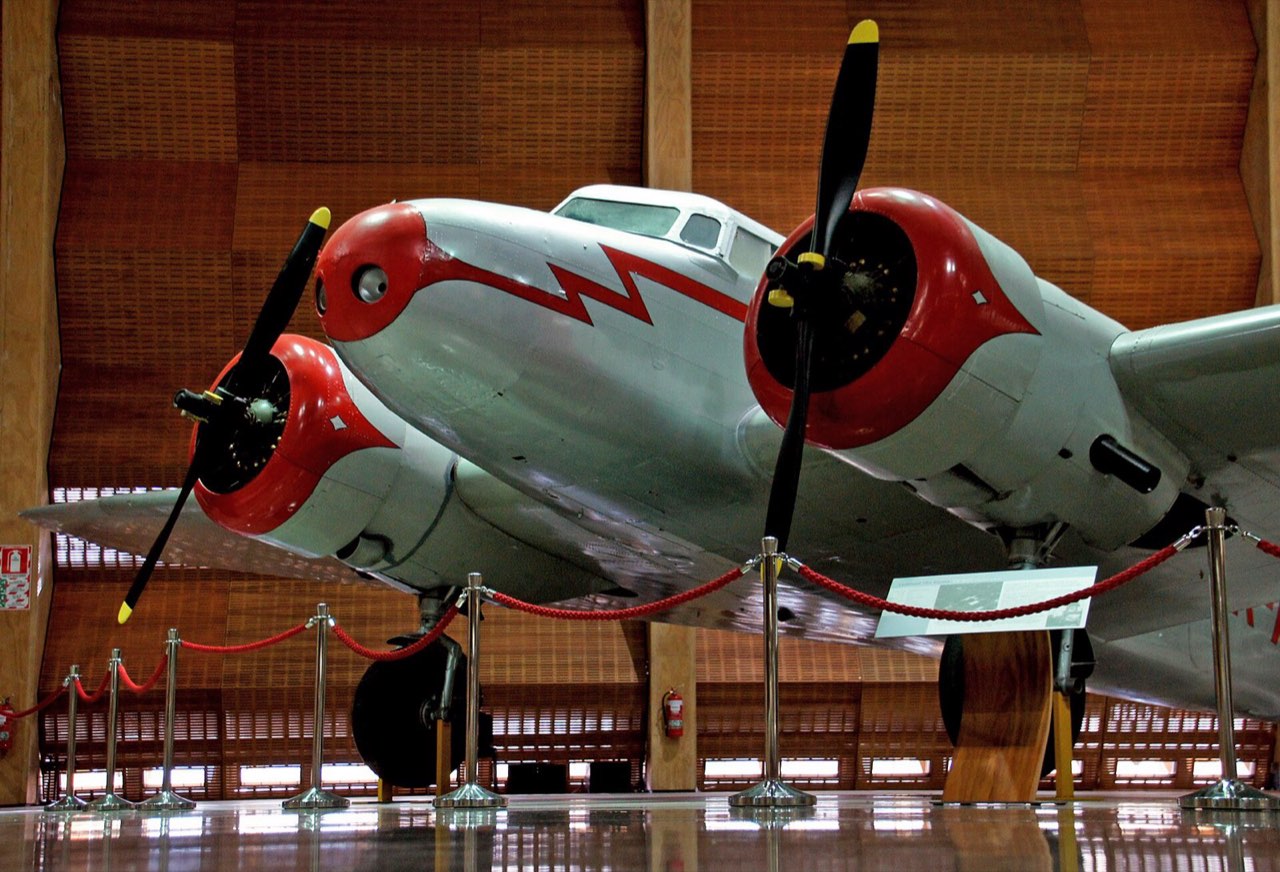
Earhart was already a celebrity: the first woman to fly solo across the Atlantic and a best-selling author. She was flying a twin-engine Lockheed Electra fitted with extra fuel tanks.
The leg from Lae to Howland was about 4,100 kilometres over open ocean. A US Coast Guard ship, the Itasca, waited at Howland to guide her in by radio. Her transmissions grew stronger as she approached, which suggests she was close, but she could not hear the ship’s replies and could not get a bearing on its signal.
In her last confirmed messages, she said that she must be on the ship but could not see it, that fuel was running low, and that she was flying along a line running north-west to south-east. Then nothing.
The Navy and Coast Guard searched about 650,000 square kilometres of ocean for more than two weeks. She was declared legally dead in 1939.
Theory one: crash and sink
The claim: the aircraft ran out of fuel somewhere near Howland, came down in the sea and sank in water several kilometres deep.
For: this is the conclusion the US government reached at the time, and it requires nothing beyond what the radio log shows. The strength of her last signals puts her within a few hundred kilometres of the island.
Against: several deep-sea sonar searches around Howland have found no aircraft. In 2024 a company announced a sonar image that looked like a plane on the seabed. A return visit showed it was a rock formation.
Theory two: the castaway
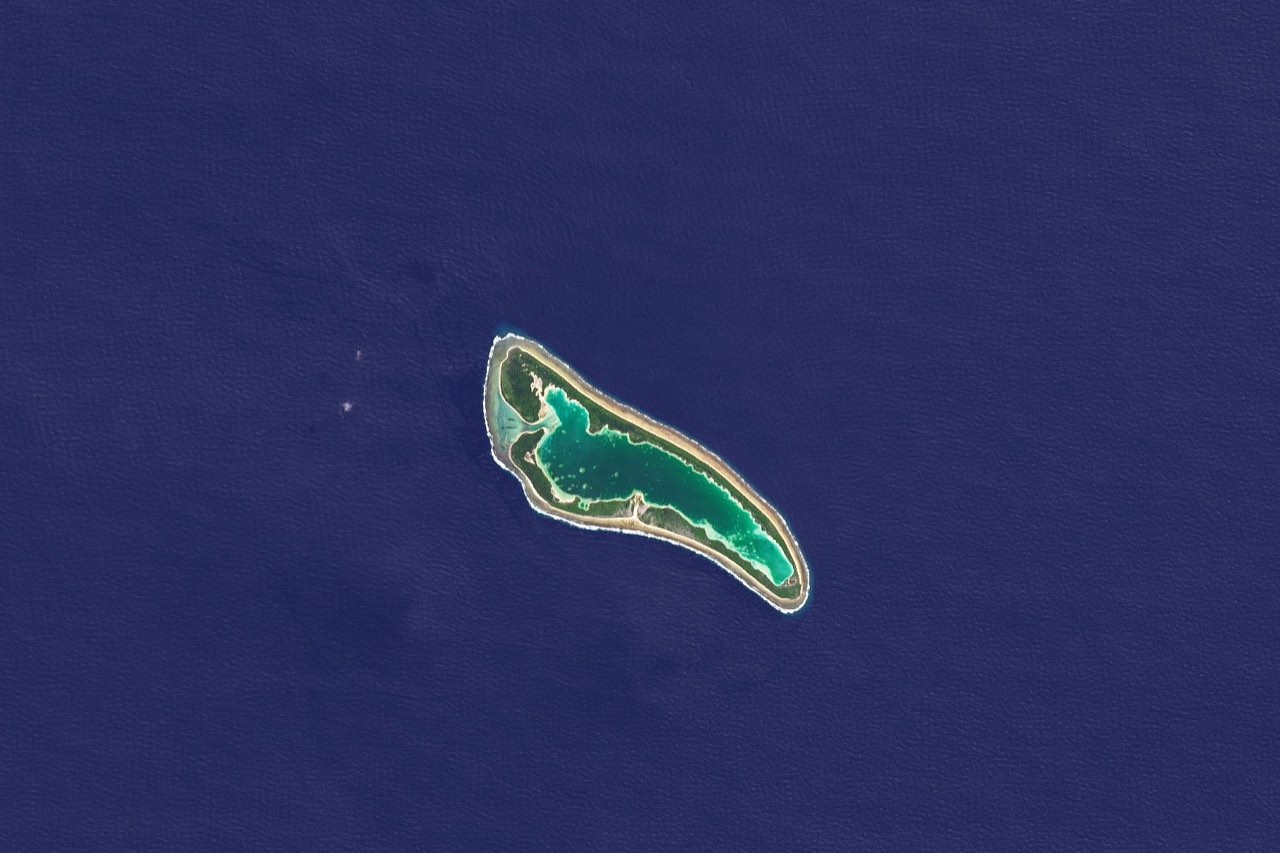
The claim: unable to find Howland, Earhart followed her navigation line south-east and landed on the reef at Nikumaroro, an uninhabited atoll about 650 kilometres away. She and Noonan survived for a time and died there.
For:
- The line she reported flying passes close to Nikumaroro.
- For several nights after the disappearance, radio operators across the Pacific and beyond reported hearing distress calls on her frequencies. The aircraft could only have transmitted if it was on land with an engine able to run.
- In 1940 a British colonial officer found part of a human skeleton on the island, along with a woman’s shoe and a box for a navigation instrument. A doctor at the time judged the bones to be a man’s. The bones were later lost. In 2018 a forensic anthropologist re-examined the recorded measurements and concluded they matched Earhart’s build more closely than almost anyone in a large comparison sample.
- Searchers have found American-made items from the 1930s at an old campsite on the island, including fragments of a jar of a kind used for cosmetics.
Against: the island was searched from the air a week after the disappearance, and the pilots saw signs of recent habitation but no aircraft or people. No part of the Electra has been identified there. The bones no longer exist to test. A piece of aluminium once thought to be from the aircraft did not match.
Latest: in October 2026, an expedition backed by Purdue University travelled to Nikumaroro to examine an object in the lagoon that had looked aircraft-shaped in satellite images. The team reported that it was most likely a mass of fallen trees and that they had found no conclusive evidence of the aircraft. They said they still consider the castaway theory the most probable.

Theory three: capture
The claim: Earhart came down in the Marshall Islands, which Japan then controlled, was taken prisoner and died in custody on Saipan. Some versions say she was spying for the United States.
For: islanders and American servicemen gave accounts after the war of a captured American woman pilot. US relations with Japan in 1937 were tense, and Japan was fortifying islands it was forbidden to arm.
Against: no Japanese or American record supports it, and Japanese ships took part in the search. In 2017 a television documentary presented a photograph said to show Earhart on a dock in the Marshall Islands. Within days a researcher found the same picture in a Japanese travel book printed in 1935, two years before she vanished.
Stranger claims
In the 1970s a book claimed that Earhart had survived and was living in New Jersey under another name. The woman named sued, and the publisher withdrew the book.

The files
In September 2025 the US president ordered all government records on Earhart to be declassified. The National Archives began publishing them that November, starting with more than 4,600 pages that included the Itasca’s radio log, Navy search reports and later correspondence about the theories. Historians who reviewed the first batches reported detail on the search and no evidence of a hidden outcome.
What is still argued about
- Whether the post-loss radio signals were real or a mix of hoaxes and misheard broadcasts.
- How much fuel she had left at her last transmission, which decides whether Nikumaroro was reachable.
- Where to search next. The deep ocean around Howland has only been partly covered.
Why it endures
Earhart was famous for doing what people said could not be done, and she disappeared at the height of that fame, on the brink of finishing. As long as the aircraft is missing, every ending is still possible.
Sources
- CNN via ABC30, “Expedition to a remote Pacific island fails to find fresh clues in hunt for Amelia Earhart’s plane” (October 2026)
- Newsweek, “Amelia Earhart search setback: expedition rules out Taraia Object theory” (October 2026)
- CBS News, “Amelia Earhart records released by U.S. include her last known communications” (2025)
- Reuters via KSL, “US National Archives releases Amelia Earhart records promised by Trump” (2025)
- Richard Jantz, “Amelia Earhart and the Nikumaroro Bones”, Forensic Anthropology (2018)
- US National Archives, Amelia Earhart records collection