
The short version
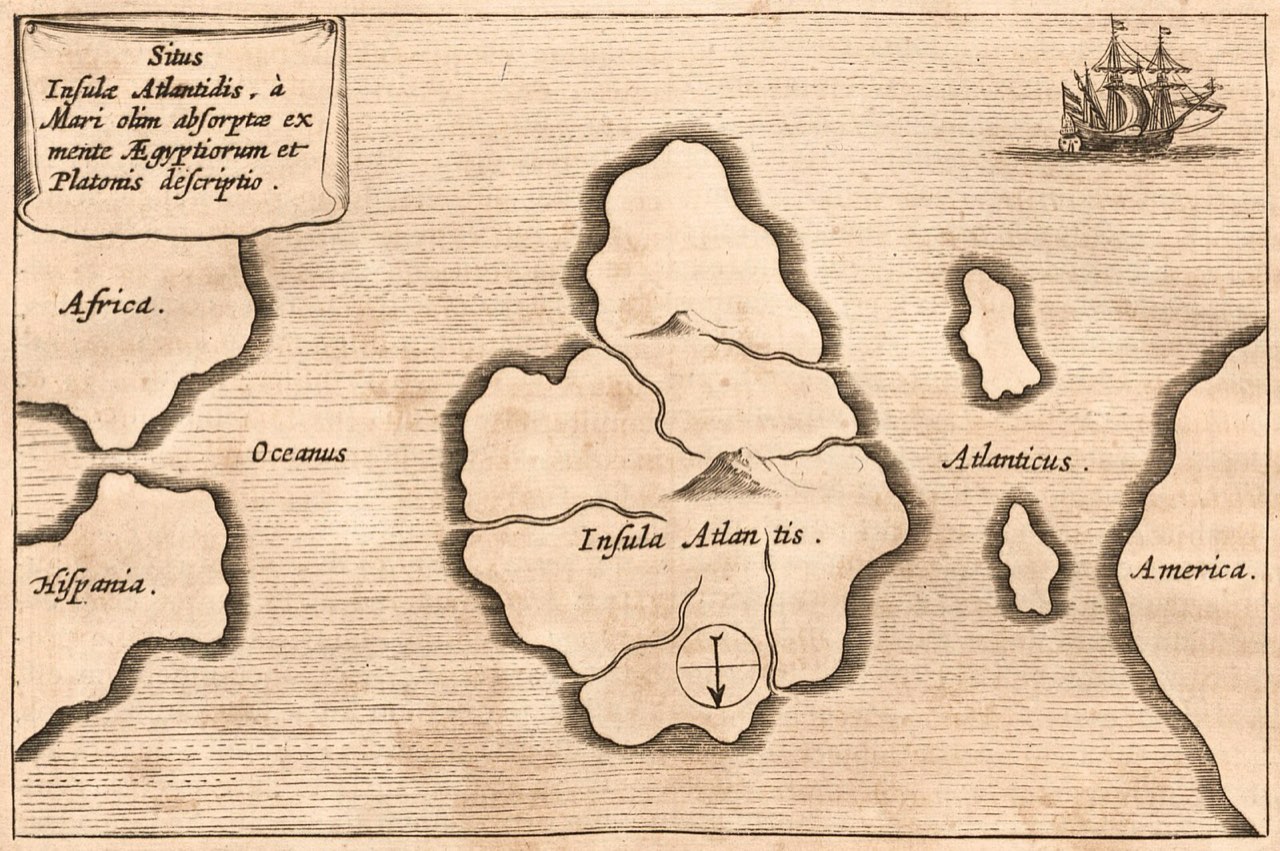
Atlantis first appears in two dialogues written by Plato around 360 BC. He describes a rich and powerful island beyond the Strait of Gibraltar that tried to conquer the Mediterranean, was defeated by ancient Athens and was then swallowed by the sea. Most historians and classicists read it as a story Plato made up to make a philosophical point. Others believe it preserves the memory of a real place or a real catastrophe.
What Plato wrote
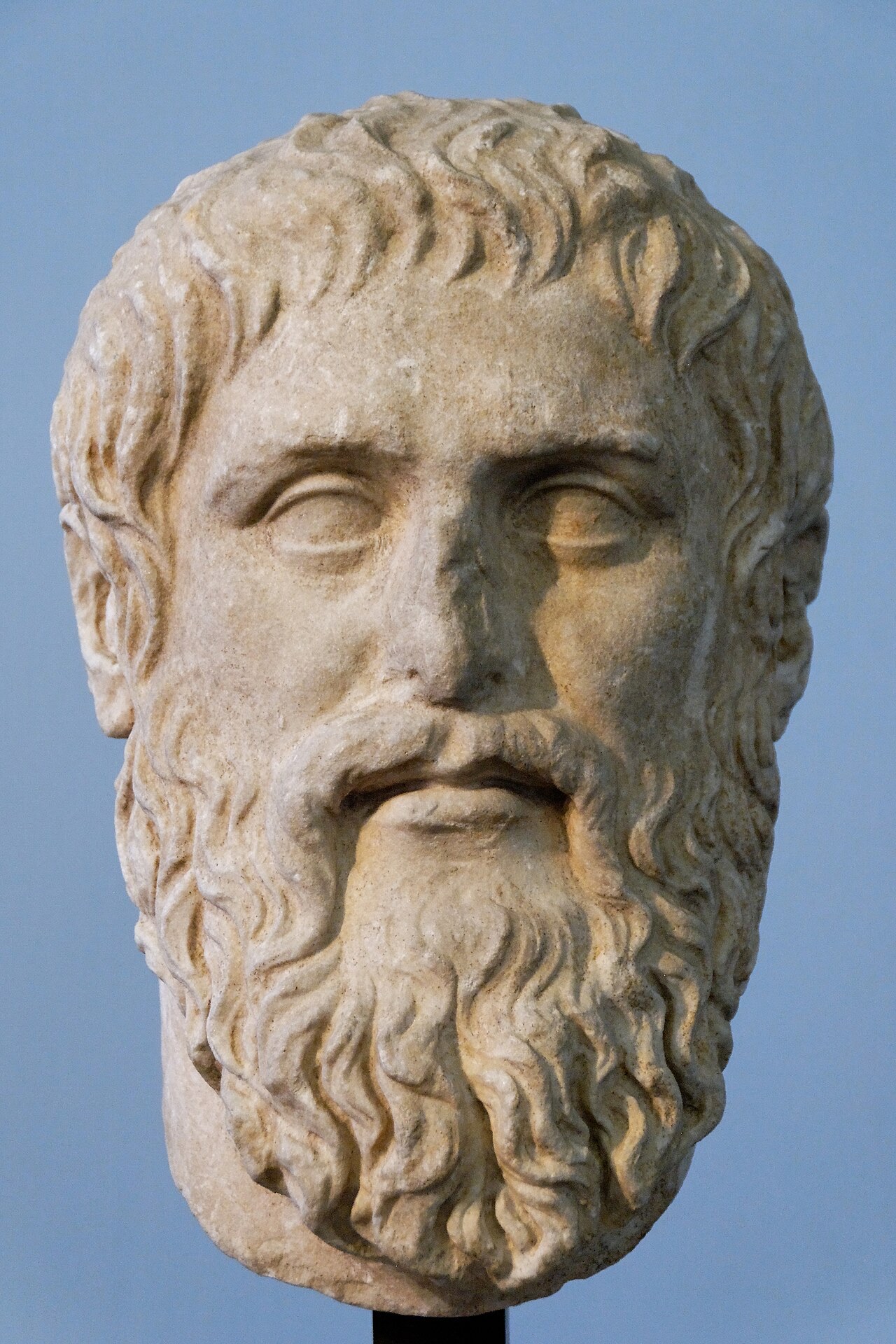
The account comes in the Timaeus and the unfinished Critias. Plato says the story came down from the Athenian statesman Solon, who heard it from priests in Egypt about two centuries earlier.
According to the dialogues:
- Atlantis lay beyond the “Pillars of Heracles” and was larger than Libya and Asia Minor together.
- Its capital was built in rings of land and water, joined by bridges and a canal to the sea, with walls plated in bronze, tin and a gleaming metal called orichalcum.
- Its kings were descended from the sea god Poseidon. Over generations they grew greedy and set out to enslave Europe and Asia.
- A virtuous early Athens led the resistance and won.
- Afterwards, earthquakes and floods destroyed Atlantis in a single day and night. This was said to have happened 9,000 years before Solon.
No earlier Greek writer mentions Atlantis, and none after Plato has an independent source for it.
How the search began
Ancient readers were divided. Later writers reported that Plato’s student Aristotle considered it an invention. Others took it as history.
The modern hunt began in 1882, when American politician Ignatius Donnelly published Atlantis: The Antediluvian World. He argued that a real continent in the mid-Atlantic had been the source of all ancient civilisations, from Egypt to Mexico. The book was a sensation and created the Atlantis of popular imagination. In the 20th century the psychic Edgar Cayce described Atlantis as a technologically advanced society powered by crystals, an image that still shapes films and games.
Versions of the theory
The Minoans and Santorini. Around 1600 BC a huge volcanic eruption blew apart the island of Thera, now Santorini, burying a wealthy Bronze Age town and sending tsunamis across the Aegean. The Minoan civilisation of nearby Crete, a sea power with grand palaces and bull rituals, declined afterwards. This is the proposal historians take most seriously as a possible inspiration.
Southern Spain. Some researchers place it in the marshes near Cádiz, just outside the Strait of Gibraltar, where the wealthy ancient culture of Tartessos once stood.
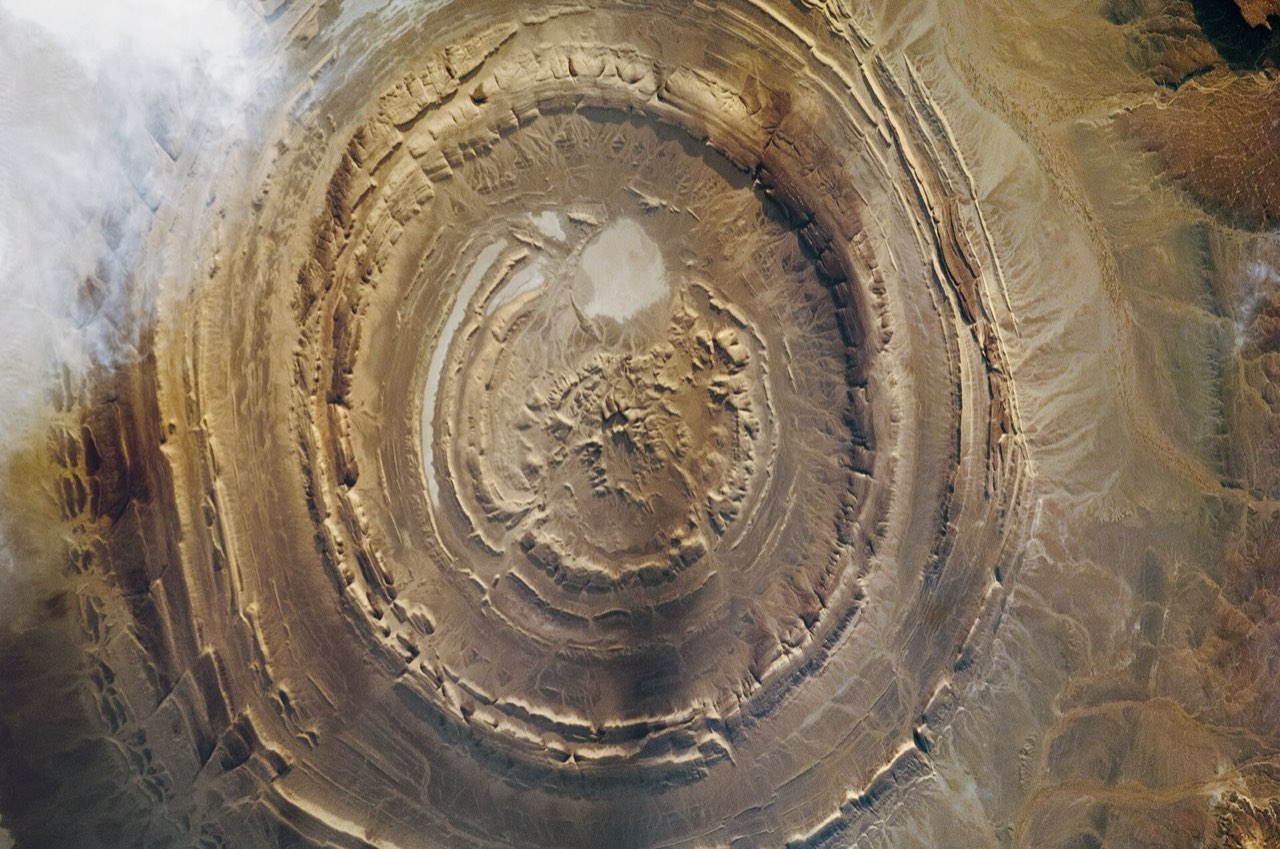
The Richat Structure. A set of concentric rock rings 40 kilometres wide in the Sahara, in Mauritania. Online videos since 2018 have argued that its shape matches Plato’s rings.
The mid-Atlantic. Donnelly’s sunken continent, sometimes linked to the Azores.
Further afield. Antarctica before it froze, the Caribbean, Indonesia, and dozens more.
A lost ice-age civilisation. Writers such as Graham Hancock argue that an advanced culture was wiped out by a cosmic impact or rapid sea-level rise about 12,000 years ago, a date close to Plato’s, and that survivors passed knowledge to later peoples.

The arguments, point by point
Plato says it is true
Believers say: the dialogues insist more than once that the story is “not fiction but true history”, and give a chain of sources.
The response: Plato invented stories to illustrate ideas throughout his work, including the cave and the ring that makes its wearer invisible. The Atlantis tale is introduced to show his ideal state in action, and it does exactly that. The early Athens he describes has left no archaeological trace either.
The date matches the end of the Ice Age
Believers say: 9,000 years before Solon is roughly 9600 BC, when sea levels were rising fast and a sudden cold period ended.
The response: no site from that era shows cities, metalworking, writing or navies. The people of the time were hunter-gatherers. Plato’s Athens, placed in the same period, did not exist until thousands of years later.
Santorini fits
Believers say: an island civilisation destroyed by the sea in a day is precisely what happened in the Aegean.
The response: the location, size and date are all wrong unless Plato’s numbers are assumed to be mistaken by a factor of ten. It is plausible that a folk memory of the eruption influenced the story. That is different from Atlantis being real.
The Richat rings
Believers say: the diameter and ringed layout match the description.
The response: geologists identify it as a deeply eroded dome of rock, pushed up by molten rock from below and worn down over a very long time. The formation is at least 100 million years old. It lies far inland on a desert plateau, has never been flooded by the ocean in human times, and has yielded no city remains.
Similar pyramids and myths around the world
Believers say: flood legends and pyramids on several continents point to a common source.
The response: floods happen everywhere, and a pyramid is the simplest way to pile stone high. The structures were built thousands of years apart, with different methods and purposes.
A sunken continent in the Atlantic
The response: the floor of the Atlantic has been mapped in detail. Continents do not sink, and the mid-ocean ridge is new crust forming, with no drowned landmass.
What Plato may have drawn on
- The eruption of Thera, remembered in Greek tradition.
- The city of Helike on the Greek coast, which was destroyed by an earthquake and wave in 373 BC, within Plato’s lifetime.
- Athens’ own failed attempt at empire in Sicily, which he had lived through, as a warning about naval power and greed.
- Egyptian records of invasions by sea.

What is still argued about
- How much real memory, if any, is in the story.
- Whether undiscovered coastal sites from the end of the Ice Age lie under the sea. Archaeologists agree that some do. They expect camps and villages.
- How scholars should respond to popular theories. Professional archaeologists have criticised television series on lost civilisations as misleading, while their makers accuse academics of closing ranks.
A caution from history
In the 19th and 20th centuries, some writers used Atlantis to argue that the achievements of ancient peoples in Africa and the Americas must have come from a lost superior race. Nazi ideologues took up the idea. Historians point to this as a reason to ask what a theory implies about the people who built the monuments it tries to explain.
Sources
- Plato, Timaeus and Critias (c. 360 BC), in translation
- Ignatius Donnelly, Atlantis: The Antediluvian World (1882)
- Encyclopaedia Britannica, “Atlantis”
- National Geographic, “Atlantis” reference article
- Society for American Archaeology, open letter regarding Ancient Apocalypse (2022)
- NASA Science, satellite image and description of the Richat Structure
- Encyclopaedia Britannica, “Richat Structure”