
The short version
The Bermuda Triangle is an area of the western Atlantic roughly between Miami, Bermuda and Puerto Rico. Since the 1960s, writers have claimed that ships and aircraft disappear there at an unusual rate and without explanation. The agencies that track accidents say they do not.
Where the idea comes from
Nobody spoke of a “Bermuda Triangle” before 1964, when writer Vincent Gaddis used the phrase in a magazine article about lost ships and planes. Ten years later, Charles Berlitz published The Bermuda Triangle, which sold in the millions and added suggestions of time warps, Atlantis and visitors from space. Films and television did the rest.
The triangle has no official boundaries. Different authors draw it differently, and some versions cover three times the area of others.
The cases that built the legend
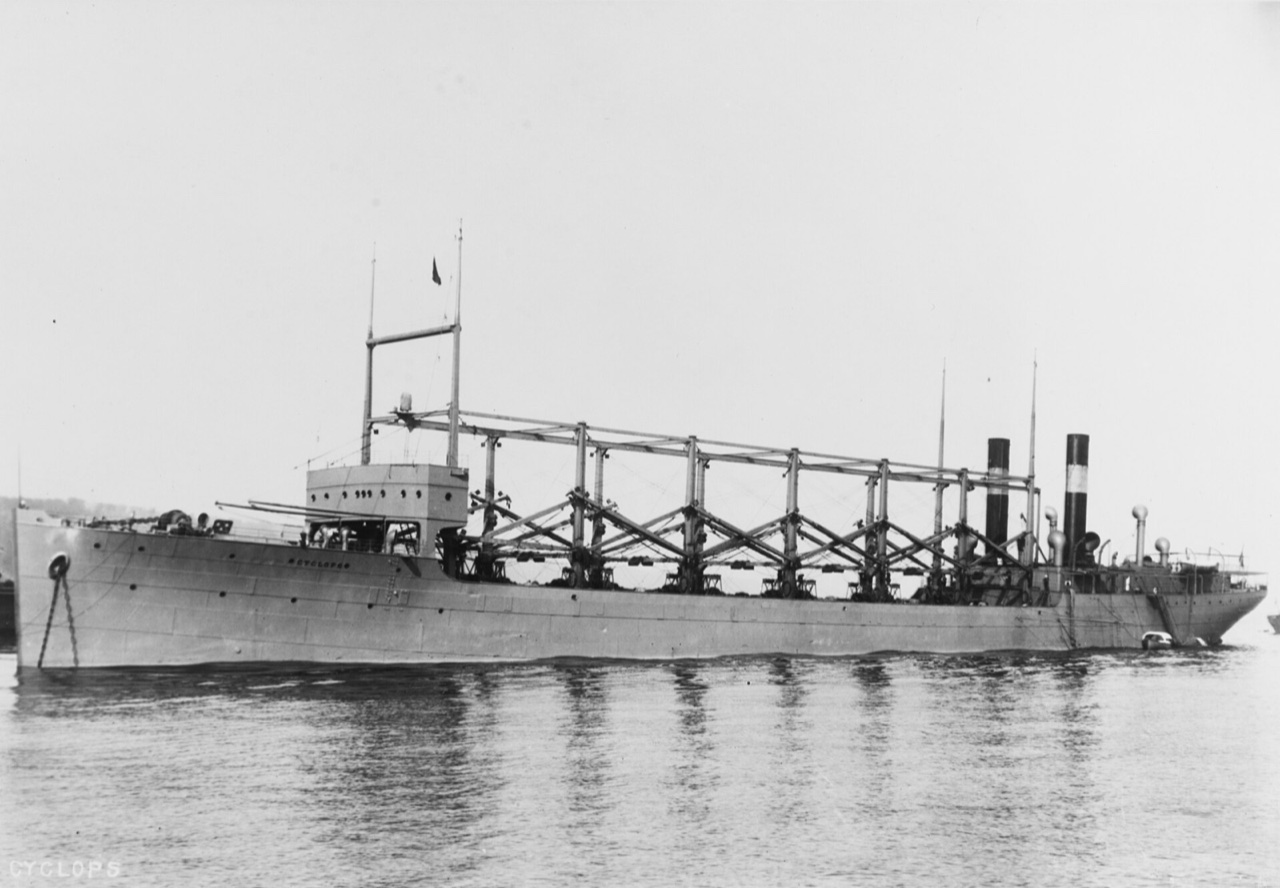
USS Cyclops, 1918. A US Navy coal ship with more than 300 people aboard left Barbados for Baltimore and was never seen again. No wreckage was found. It remains the largest loss of life in US naval history not caused by combat.
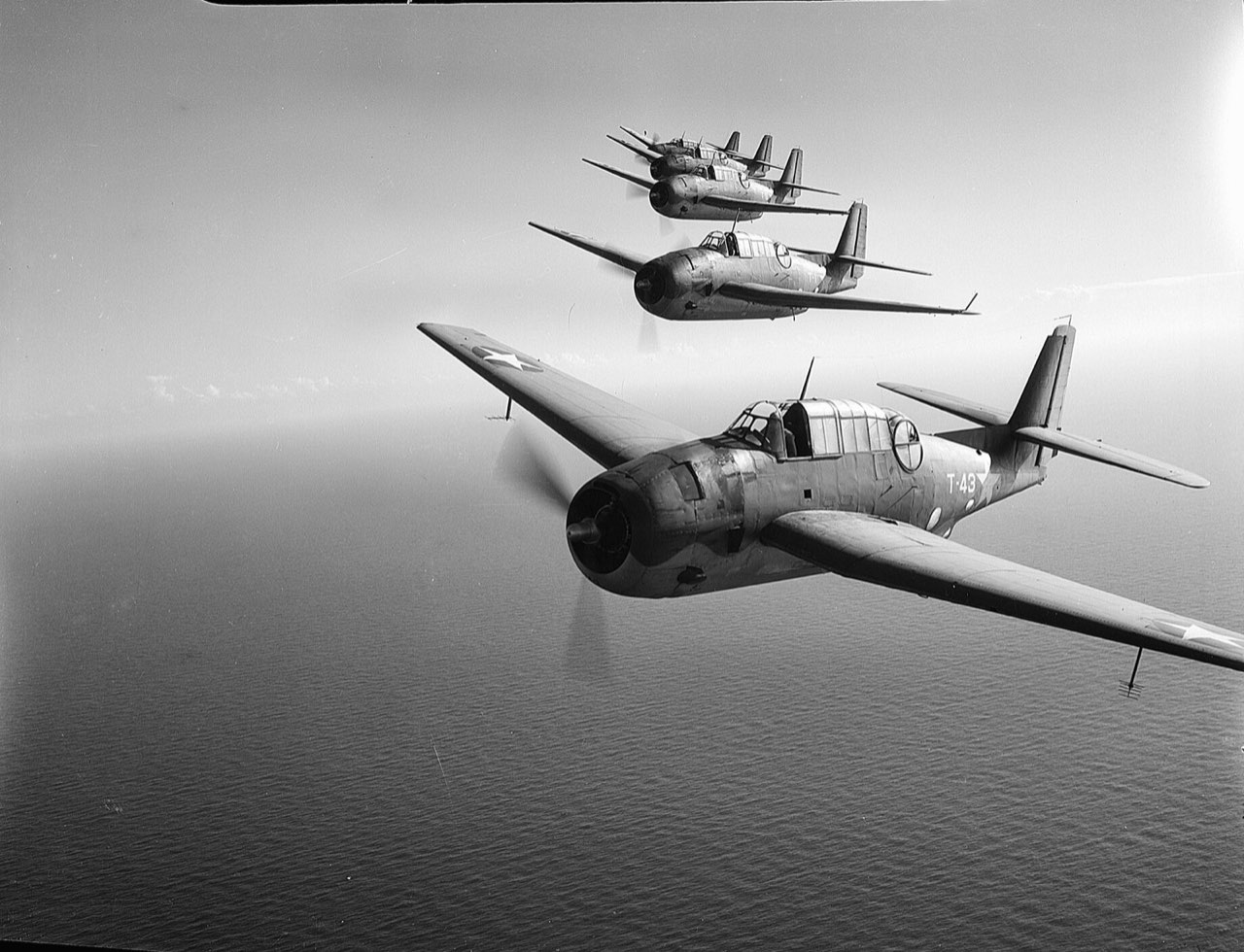
Flight 19, 1945. Five Navy torpedo bombers with fourteen men took off from Fort Lauderdale on a training flight. The leader radioed that his compasses were not working and he did not know where he was. The planes are presumed to have run out of fuel and ditched at night in heavy seas. A flying boat sent to search for them also disappeared with thirteen crew.
Star Tiger and Star Ariel, 1948 and 1949. Two British airliners of the same type vanished on Atlantic routes a year apart.
Marine Sulphur Queen, 1963. A tanker carrying molten sulphur disappeared off Florida with 39 crew.
Versions of the theory
Natural forces we do not understand. Unusual magnetism, sudden giant waves or bursts of methane gas from the seabed.
Lost technology. Energy crystals from the sunken city of Atlantis.
Visitors. Alien abduction or an underwater base.
Time and space. A rift that carries ships and aircraft elsewhere.
Nothing at all. The sceptical view that the mystery was created by storytelling.
The arguments, point by point
Too many disappearances
Believers say: dozens of ships and aircraft have been lost in one small region.
The response: this is one of the most heavily travelled patches of ocean on Earth, crossed by shipping lanes, cruise routes and flights to the Caribbean. The US Coast Guard says it has found nothing in years of losses to suggest causes other than physical ones. The insurance market Lloyd’s of London concluded in the 1970s that the area was no riskier than others, and does not charge more to cross it.
They vanished without a trace
Believers say: no wreckage and no distress call means something extraordinary happened.
The response: the Gulf Stream runs through the area and can carry debris hundreds of kilometres in days. Parts of the sea floor there are among the deepest in the Atlantic. Before satellite tracking, a vessel that sank quickly at night often left nothing to find.
Compasses go wild
Believers say: pilots and sailors report instruments spinning.
The response: for much of the 20th century, a line along which a compass points to true north rather than magnetic north passed through the region. Navigators who failed to allow for it could go off course. It is a known feature of the Earth’s magnetic field and has since drifted westward.
Flight 19
Believers say: experienced Navy pilots do not simply get lost over water in good weather.
The response: four of the five pilots were students. Radio transcripts indicate the instructor believed he was over the Florida Keys when he was over the Bahamas, and led the flight further out to sea. The weather worsened after dark. The search plane was a type known for fuel-vapour leaks, and a passing ship reported seeing flames in the sky at about the time it would have been in the area.
Methane and rogue waves
Believers say: gas eruptions could sink a ship instantly by making the water less dense.
The response: the effect is real in principle, but geologists have found no evidence of large recent gas releases in the area. Rogue waves do occur there, as they do wherever strong currents meet storms.
What the research found
In 1975, a librarian named Lawrence Kusche went back to the original newspaper reports and official inquiries for each famous case. He found that many accounts left out storms that were raging at the time, that some vessels had sunk far outside the triangle, that at least one ship named in the books had never existed, and that some “unexplained” losses had been explained at the time. His conclusion was that the legend was “manufactured”.
The US ocean agency NOAA says environmental factors account for most losses: most Atlantic hurricanes pass through the region, the Gulf Stream can produce sudden violent weather, and the many islands create shallow water that is dangerous to ships.

What is still argued about
- The exact fate of the Cyclops, Flight 19 and the two airliners. None of the wrecks has been positively identified.
- Whether losses in the area are truly proportional to traffic. Complete historical statistics are hard to assemble.
Why it endures
The triangle arrived at the right moment, when air travel was becoming ordinary and the sea still felt unknowable. It offers a mystery with a map. Modern satellite tracking means that vessels rarely disappear without trace anywhere, and new additions to the legend have become scarce.
Sources
- NOAA National Ocean Service, “What is the Bermuda Triangle?”
- Live Science, “Is the Bermuda Triangle really dangerous?”
- Lawrence David Kusche, The Bermuda Triangle Mystery: Solved (1975)
- Naval History and Heritage Command, “The Loss of Flight 19” and “USS Cyclops”
- US Coast Guard, frequently asked questions: “Does the Bermuda Triangle really exist?”
- Charles Berlitz, The Bermuda Triangle (1974)