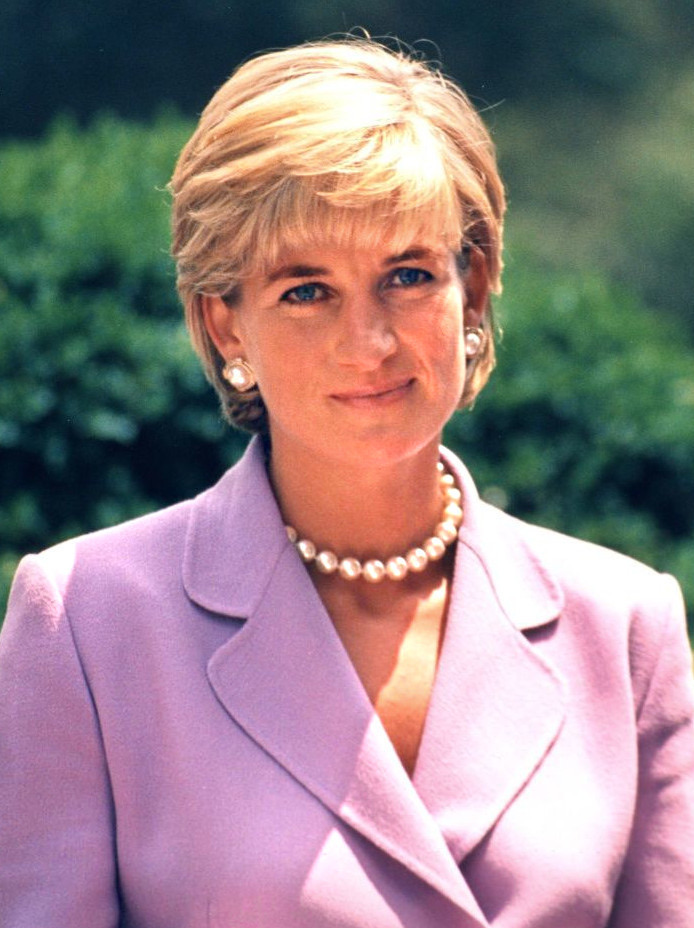

The short version
Shortly after midnight on 31 August 1997, a Mercedes carrying Diana and her companion Dodi Fayed crashed into a pillar in a road tunnel in Paris while being followed by photographers. Fayed and the driver, Henri Paul, died at the scene. Diana died in hospital hours later. A bodyguard survived. Investigators concluded that Paul was drunk and driving too fast. Dodi’s father, Mohamed Al-Fayed, spent a decade arguing that the couple were murdered.
What happened
The couple left the Ritz hotel, which Al-Fayed owned, by a rear entrance to avoid photographers waiting at the front. Paul, the hotel’s deputy head of security, drove. Photographers on motorcycles and in cars followed.
The car entered the Pont de l’Alma underpass at roughly twice the speed limit, clipped another vehicle, and hit the thirteenth pillar. Nobody in the car who died was wearing a seat belt.
What the investigations found
The French inquiry (1999) concluded that Paul had a blood alcohol level about three times the French legal limit, had taken prescription medication, and lost control at high speed. Charges against the photographers were dropped.
Operation Paget (2004 to 2006) was a British police investigation set up specifically to test the conspiracy claims. It ran for almost three years, produced a report of more than 800 pages, and concluded that there was no conspiracy and that the crash was a tragic accident.
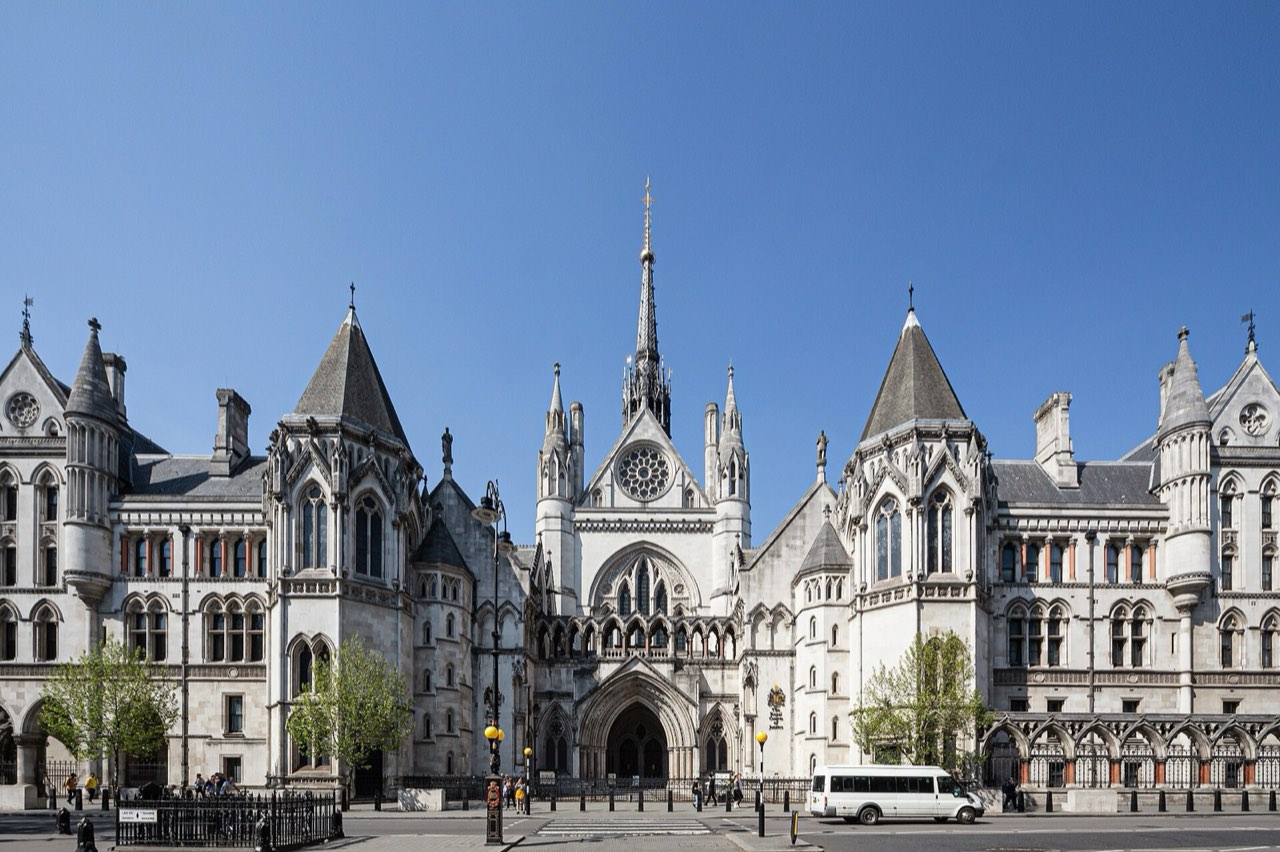
The inquest (2007 to 2008) heard from 278 witnesses over six months in London. The jury returned a verdict of unlawful killing, the most serious available, through the grossly negligent driving of Paul and of the following vehicles. It added that the lack of seat belts contributed to the deaths. The coroner had told the jury there was no evidence to support a finding that the royal family or the security services were involved.
The theory
Mohamed Al-Fayed alleged that Diana was pregnant with Dodi’s child and about to announce an engagement, that the royal family could not accept the mother of a future king marrying a Muslim, and that the intelligence service MI6 staged the crash on the orders of Prince Philip.
Others have suggested different motives, including Diana’s campaign against landmines, which was unwelcome to arms manufacturers.
The arguments, point by point
Diana predicted it
Believers say: Diana wrote a note, later published by her former butler, saying someone was planning “an accident” in her car. Her lawyer recorded a similar fear in 1995.
The response: both documents are genuine, and the inquest examined them. Friends testified that Diana voiced many fears in that period, some prompted by false information she had been given. The notes show what she was afraid of.
The white Fiat
Believers say: paint and broken glass showed the Mercedes had touched a white Fiat Uno that was never officially found. It was there to force the crash.
The response: the contact was real, and French police never charged anyone. Investigators concluded it was a glancing touch with a car that was already in the tunnel, and that the driver most likely fled out of fear.
The flash
Believers say: witnesses described a blinding flash before the crash, and a former MI6 officer said the service had once discussed using a strobe light to cause a car accident.
The response: witness accounts of a flash were inconsistent and some placed it after the impact. Operation Paget found that the MI6 proposal concerned a different target, was put forward by one officer and was rejected.
The driver
Believers say: Paul did not appear drunk on hotel cameras, the blood samples were swapped, and he was paid by security services.
The response: DNA testing confirmed the samples were his. Investigators found that Paul had unexplained sums of money and probably had contacts with French intelligence, as hotel security staff often did. They found no link between that and the crash.
The pregnancy and the embalming
Believers say: Diana’s body was embalmed in Paris to destroy evidence of pregnancy.
The response: forensic tests on blood recovered from the car found no sign of pregnancy, and friends testified that she was not expecting. French officials said the embalming was done because of the summer heat before the family arrived.
The ambulance
Believers say: it took well over an hour to get Diana to a hospital a few kilometres away.
The response: French emergency practice at the time was to stabilise patients at the scene. Medical experts told the inquest her internal injury was very rarely survivable.
The cameras
Believers say: traffic cameras in the tunnel were switched off.
The response: investigators reported there were no recording cameras covering the inside of the tunnel.

What is still argued about
- The identity of the Fiat’s driver, which has never been established in court.
- The source of the driver’s money.
- Whether the photographers who pursued the car should have faced trial.
Mohamed Al-Fayed said after the verdict that he accepted it with reservations and would end his campaign. He died in 2023. Diana’s sons have blamed the photographers who chased her.
Why it endures
Diana was among the most famous people in the world, and she died suddenly in an ordinary way. Researchers who study conspiracy belief note that people expect great events to have great causes. A drunk driver and a missing seat belt can feel too small.
Sources
- NPR, report on the inquest verdict (April 2008)
- Reuters via The Star, “Diana unlawfully killed, inquest rules” (2008)
- The Spokesman-Review / Washington Post, “Jury rules ‘unlawful death’ in Princess Diana case” (2008)
- The Week, “An end to the Princess Di conspiracy?” (2008)
- Time, “Debunking the Conspiracy Theories” (2006, on the Operation Paget report)
- Metropolitan Police Service, The Operation Paget inquiry report (2006)
- Coroner’s Inquests into the Deaths of Diana, Princess of Wales and Mr Dodi Al Fayed, transcripts and verdict (2008)