
The short version
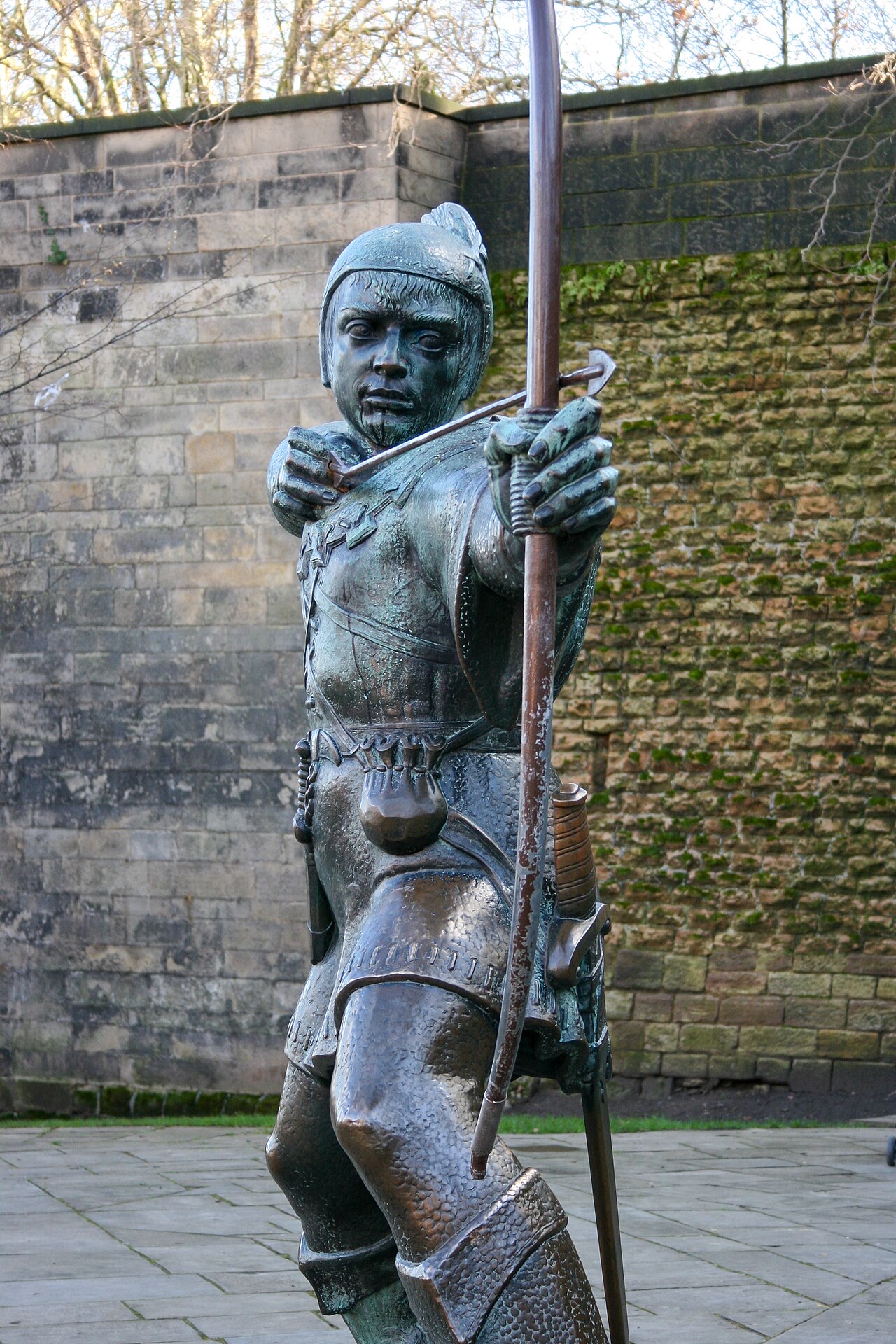
By the 1370s, rhymes about Robin Hood were so well known that a poet could joke about a priest who knew them better than his prayers. The earliest surviving stories, from the 15th century, show a violent yeoman outlaw in Yorkshire, not a nobleman who robbed the rich to give to the poor. Maid Marian, Friar Tuck, King Richard and the Earl of Huntingdon were added later. Court records from the 1200s and 1300s name several men called Robert Hood or “Robehod”, and some historians have argued that one of them was the original. Others conclude that there was never a single real Robin Hood, and that the name became a byword for any outlaw.
The earliest mentions
Piers Plowman. In William Langland’s poem Piers Plowman, written around 1377, the character Sloth, an idle priest, admits that he does not know his Paternoster perfectly, “but I kan rymes of Robyn Hood”. Robin was already part of everyday culture.
The chroniclers. Around 1420 the Scottish chronicler Andrew of Wyntoun placed Little John and Robin Hood in the forests of Inglewood and Barnsdale in the 1280s. Writing in the 1440s, another Scottish chronicler, Walter Bower, put “that most famous armed robber Robert Hood” among the rebels who fought King Henry III in the 1260s. In 1521 the Scottish historian John Major became the first writer known to set Robin in the reign of Richard I, in the 1190s.
An outlaw’s nickname. In 1439 a petition to Parliament complained of a Derbyshire robber whose men went into the woods “like as it hadde be Robyn-hode and his meyne”, meaning his band. By then, the name could describe any outlaw gang.
The May games. Robin was also a stock character in spring festivals. In 1473 Sir John Paston wrote that he had kept a servant for three years to play Robin Hood at Maytime.
The earliest stories
The oldest surviving ballad, Robin Hood and the Monk, dates from about 1450. In it Little John and Much kill a monk and his young page to free Robin from Nottingham gaol. The longest early tale, A Gest of Robyn Hode, survives only in printed editions from around 1500, perhaps about 1506. Its king is called only “Edward”, and it ends with Robin killed through the treachery of his kinswoman, the prioress of Kirklees.
In these early stories Robin is a yeoman, not a nobleman, and his home is mainly Barnsdale in Yorkshire, around 40 miles north of Sherwood. The historian Stephen Church notes that in the early texts Robin is found in Sherwood Forest only once, while escaping from Nottingham gaol. He does steal, Church says, but “he does not seem to give to the poor”.
How the legend grew
- Maid Marian appears in English literature only from about 1500, and probably came from French May-game stories of Robin and Marion.
- Friar Tuck is named in a play from the late 15th century. As early as 1417 a real thief in Surrey and Sussex used the alias “Friar Tuck”.
- Robbing the rich. John Major described a robber who took only from the wealthy in 1521. The kindly outlaw who gives to the poor grew from there, and later versions made it his defining trait.
- The Earl of Huntingdon. In plays written around 1598-1601, Anthony Munday turned the yeoman into a nobleman, Robert, Earl of Huntingdon, and set the story in the reign of Richard the Lionheart, with Prince John as a villain.
- Ivanhoe. Sir Walter Scott’s novel of 1820 cast Robin, as “Locksley”, as a loyal Englishman serving the absent King Richard.

The candidates
Robert Hod of York. A Yorkshire record of 1225-26 names Robert Hod as a fugitive, and the same man may reappear in 1227 as “Hobbehod”. In 2020 the historian David Crook suggested that he may have been the same man as Robert of Wetherby, an outlaw who was hunted down on the king’s orders, beheaded and hung in chains. One of his arguments is that the Crown claimed Robert Hod’s goods but made no separate claim for Robert of Wetherby.
William Robehod. In 1261 a William, son of Robert the smith, was recorded as a member of a band of outlaws. In a Berkshire record of 1262 the same man is called William Robehod. If a clerk could use the name as a label for an outlaw, the legend may already have been known by then. From the 1260s, forms such as “Robehod” and “Robinhood” appear in legal records from Berkshire to York.
The king’s porter. In 1852 the antiquary Joseph Hunter argued that Robin was a follower of the rebel Earl of Lancaster who later joined the household of Edward II. Royal accounts show a “Robyn Hode” paid as a porter of the king’s chamber in 1324. But the Dictionary of National Biography found nothing to connect him with the outlaw.
Roger Godberd. The writer David Pilling has argued for an origin among the rebels of the 1260s. Roger Godberd, a leader of outlaws, was captured in Sherwood in 1271 and escaped from Nottingham Castle.
The arguments, point by point
For a real Robin Hood
- Records from the 1220s onwards name men called Robert Hood, and one was an outlaw in Yorkshire, where the early stories are set.
- The name “Robehod” was being used for criminals by the 1260s, which suggests an earlier, famous outlaw. As Nottinghamshire’s tourism board puts it, for the name to become linked with outlaws, “there had to be an original”.
- Scottish chroniclers from the 15th century onwards placed him in real reigns and years, even if they disagreed about when he lived.
Against
- “There is absolutely no evidence whatsoever that there was a physical person called Robin Hood” behind the myth, Stephen Church said in a 2018 lecture. As an individual, he concluded, Robin “probably never existed”.
- In his 1982 study, the historian J. C. Holt found many Hoods in the records but, according to a review in The Spectator, no single famous outlaw of that name.
- The literary scholar Stephen Knight argued in 1996 that the many places and records linked to the name support the view that Robin Hood “was never a real person, simply a symbolic function”. Whether there was an original, he wrote, is “both undiscoverable and unimportant”.
- The Dictionary of National Biography concluded as early as 1891 that the arguments for a historical Robin “will not bear scholarly examination”.

The places
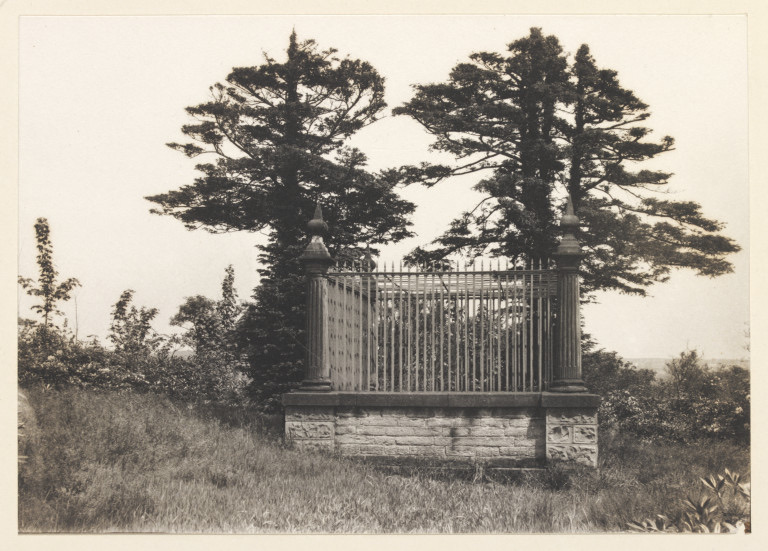
Kirklees. A grave in Kirklees Park in West Yorkshire is known as Robin Hood’s Grave. The memorial dates from the 18th century, and its epitaph, giving a death date in 1247, was called “obviously spurious” by the Dictionary of National Biography. Visitors once chipped pieces off the stone in the belief that they cured toothache.
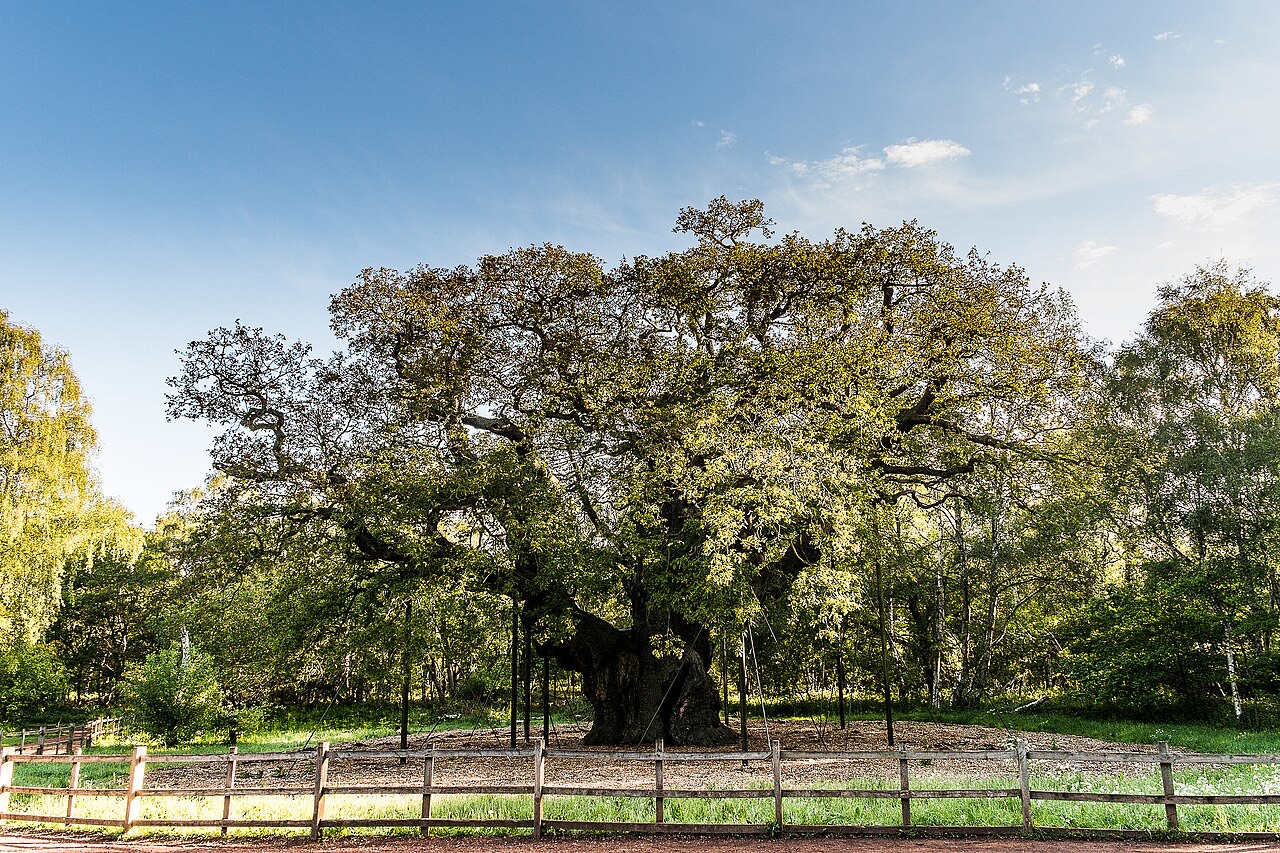
Sherwood and the Major Oak. Sherwood Forest once covered about a fifth of Nottinghamshire. Its most famous tree, the Major Oak, is said in legend to have sheltered Robin and his men. In June 2026 the RSPB, which manages the forest, announced that the oak, thought to be around 1,000 years old, had failed to come into leaf and was believed to have died. It will be left standing.
What is still argued about
- Whether the “Robehod” records point to an earlier, famous outlaw or simply show a nickname spreading.
- Whether Robert Hod of York is the best candidate.
- Whether Robin belongs to Barnsdale or to Sherwood.
No poll appears to have asked how many people think Robin Hood was real. In England’s National Folklore Survey of 2026, almost 90% of respondents had heard of him. The survey’s lead, David Clarke of Sheffield Hallam University, said the debate about whether Robin and his men existed “is never likely to be resolved”.
Sources
- Stephen Church, “In Search of the Medieval Outlaw: The Tales of Robin Hood”, Gresham College lecture (2018)
- Dictionary of National Biography, “Hood, Robin” (1891), Wikisource
- Dictionary of National Biography, “Hunter, Joseph” (1891), Wikisource
- Stephen Knight, “Hoodolatory: history, myth and Mr R. Hood”, Times Higher Education (1996)
- Eric Christiansen, “Red red Robin?”, review of J. C. Holt, Robin Hood, The Spectator (1982)
- National Geographic, “Who was the real Robin Hood?” (2019)
- Sky HISTORY, “Was Robin Hood a real person?”
- Medievalists.net, “Robin Hood – The Man, The Myth, and The History – Part 1” (2020)
- David Pilling, “Origins of a Legend: Robin Hood and the Disinherited”, Aspects of History
- David Keys, “Was Robin Hood beheaded on the King’s orders?” (2020), Yahoo News
- Visit Nottinghamshire, “The Real Robin Hood”
- University of Nottingham, Manuscripts and Special Collections, “Focus on Robin Hood and Sherwood Forest”
- British Listed Buildings, “Robin Hood’s Grave, Brighouse, Calderdale” (Historic England list entry 1184066)
- Nottinghamshire County Council, “History of Sherwood Forest, Robin Hood and Major Oak”
- RSPB, “The Major Oak: A new chapter for a legend of Sherwood Forest” (2026)
- Natural England, “Sherwood Forest’s Major Oak: An ending and a beginning” (2026)
- Newark and Sherwood District Council, “The Major Oak Update” (2026)
- Sheffield Hallam University, “St George, Robin Hood and Spring heeled Jack - National Folklore Survey shows England’s folk tales celebrate the underdog and the bogeyman” (2026)